
Gallery List |
I've had this tanto for several years and continue to wonder about it. The omote is signed: "Uchi Mono Ume Tada Hiko Ichi", with a horimono of a tiger in the bamboo. On the Ura side it is simply signed, "Tada Hiro," with a carving of bamboo. Unusual format. The Tadahiro kanji doesn't match any specimen signatures that I have access to but there was a long line of this group & I have no idea if this is truly a genuine Mei of a lesser member or if it is simply gemei but on an uncommon side of the nakago? |
|||
Years ago I purchased a nice antique blade, mumei, osuriagi, with Gunto mounts from a guy that had a number of pieces. He also gave me a loose surrender tag at the same time, inscribed in Japanese & English, indicating a sword by Colonel Shigeyoshi Shibuya of Wakayama had been surrendered. He didn't remember if the tag went with my sword or one of the others he had. I wrote to the Colonel asking if he could describe his sword but the letter came back unopened. |
|||
Hi all, New to the forum and I'm going to dive straight in with a question. Is there anywhere in Ireland I could get a shirasaya made? I have a sword that is in gunto mounts that are about to fall apart and I'd like to give the blade better protection. I don't like the idea of having to ship it over to the UK to have one made, so is there anyone here who makes them? Thanks. |
|||
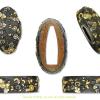
I have matching tsuba and similar fk. But I would like the matching parts. I know I have seen them once. But they were sold. |
|||
Hello all, I have recently come across a nice two book set of Fujishiro's NTJ and since I am Japanese language impaired I would love to find at least an English translation of the indexes (if not the entire books)so I may more efficiently reference. I understand that Harry Watson at one time did provide such an item but may not anymore due to possible copyright issues. My initial serach turns up nothing. Can anyone help me and provide a solution for my dilemma? Jeff |
|||
Attribution
|
|||||||||||||||||||||||||||||||||||||||||||||||||||||||||||
Attribution
|
|||||||||||||||||||||||||||||||||||||||||||||||||||||||||||
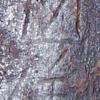
First off I would like to express my gratitude to those who provide this site free of charge and those who offer their services to folks like myself. I have received several opinions and learned quite a bit trying to research my sword. I am beginning to realize that the nihonto study is a life long endeavor, governed by educated opinions and exposure to high end swords. For the "new guys" just breaking into the field, ID'ing a sword is a daunting task, and the possibility exists that a concrete undisputed attribution may or may not obtainable. |
|||
Attribution
|
|||||||||||||||||||||||||||||||||||||||||||||||||||||||||||
Attribution
|
|||||||||||||||||||||||||||||||||||||||||||||||||||||||||||
Attribution
|
|||||||||||||||||||||||||||||||||||||||||||||||||||||||||||
Attribution |
|||||||||||||||||||||||||||||||||||
Attribution
|
|||||||||||||||||||||||||||||||||||||||||||||||||||||||||||
Attribution
|
|||||||||||||||||||||||||||||||||||||||||||||||||||||||||||
Hello- I found this tanto while cleaning out an old storage shed. The blade has been abused, but the signature is very clear. The second character is possibly "hisa" but I have not been able to find one like the first kanji. Any help appreciated. Rich |
|||
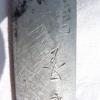
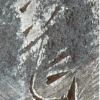
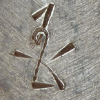
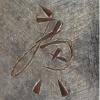
Hi All, I discovered this mei on a shingunto blade. Does someone can help me to translate it? Thanks |
|||
Attribution
|
|||||||||||||||||||||||||||||||||||||||||||||||||||||||||||
Attribution
|
|||||||||||||||||||||||||||||||||||||||||||||||||||||||||||
Hello to all- I am a new member and I have a question about a wakizashi that I have owned for over 30 years. It is in the shinobu-zukuri form. It is signed "Yoshikane" with only two characters. The blade is 38.2 cm long and sori is .8cm (8mm). The hamon is hard to see but looks to be gunome near the tip. The tang has some recent disturbance to the patina under the tsuka. Between the munemachi and the mekugi-ana there is a groove that appears to have been caused by a loose tsuba while the sword was worn. The groove wraps completely around the nakago and is heavily patinated. |
|||
Attribution
|
|||||||||||||||||||||||||||||||||||||||||||||||||||||||||||
